This site is supported by our readers. We may earn a commission, at no cost to you, if you purchase through links.
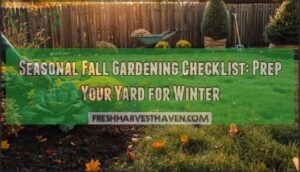
Fall temperatures signal your garden’s countdown to dormancy, and the work you do now determines whether your landscape thrives or struggles come spring. A well-executed seasonal fall gardening checklist protects months of careful cultivation from winter’s harsh realities.
Cool-season conditions create ideal opportunities for tasks that summer heat makes difficult or impossible, from repairing damaged turf to establishing roots before the ground freezes.
Your lawn needs aeration and overseeding, your beds require cleanup and mulching, and your trees deserve protection from frost and wildlife. Each task builds your garden’s resilience against freezing temperatures, disease pressure, and weed competition that intensify during winter dormancy.
Table Of Contents
- Key Takeaways
- Essential Fall Lawn Care Tasks
- Preparing Garden Beds for Winter
- Perennial, Vegetable, and Bulb Care
- Tree, Shrub, and Plant Protection
- Top 4 Tools and Supplies for Fall Gardening
- Frequently Asked Questions (FAQs)
- How often should I water my garden in fall?
- When should I apply fall lawn fertilizer?
- Can I plant vegetables in the fall season?
- Should I cover outdoor containers before winter arrives?
- How do I protect plants from early frost?
- When should I stop watering outdoor plants completely?
- How do I winterize my irrigation system properly?
- Should I fertilize trees and shrubs in fall?
- Whats the best way to store garden tools?
- Can I still plant perennials this late in fall?
- Conclusion
Key Takeaways
- Fall lawn care—aeration, overseeding, and weed control before the first freeze—determines whether you’ll have thick, healthy grass or bare patches come spring.
- Protecting garden beds with compost, mulch, and cover crops during fall builds soil health and shields perennials from freeze-thaw cycles that cause winter damage.
- Planting spring bulbs and lifting tender varieties in early fall, combined with proper mulching and frost protection, ensures your perennials and flowers survive winter and bloom vigorously.
- Wrapping tree trunks, deep watering before ground freeze, and dormant pruning after leaves drop protect trees and shrubs from wildlife damage, sunscald, and winter desiccation.
Essential Fall Lawn Care Tasks
Your lawn takes a beating all summer, and fall is when you give it what it needs to bounce back strong. The work you do now determines whether you’ll have thick, healthy grass come spring or bare patches and weeds.
Start by testing your soil’s pH and nutrient levels so you know exactly what amendments to add—proper spring lawn care advice builds on the foundation you set this fall.
Fall lawn care now determines whether you’ll have thick, healthy grass come spring or bare patches and weeds
Here’s what your lawn needs before the first freeze hits.
Check off your essential fall and winter gardening tasks to protect your grass from cold damage and ensure a healthy spring comeback.
Raking and Managing Fallen Leaves
Fallen leaves might look picturesque blanketing your lawn, but left too long, they’ll smother your grass and invite trouble come spring.
Once spring arrives, check out this spring perennials gardening advice to know exactly when it’s safe to clear away winter debris.
Regular leaf raking keeps air and light reaching your turf, preventing disease and thinning.
Early spring is the ideal time to clear debris, and this spring garden cleanup guide covers all the steps to prepare your lawn for healthy growth.
Turn fall debris into garden gold through leaf composting, or shred leaves to create mulch for beds.
This simple yard cleanup task protects your lawn while giving you free organic matter for next season.
Aerating and Overseeding Lawns
After clearing leaves, your lawn needs real breathing room—that’s where aeration comes in. Core aerators pull plugs 2–3 inches deep, breaking up compacted soil so air, water, and nutrients reach grass roots.
Follow up with overseeding to fill thin spots:
- Use 5–10 pounds of cool-season seed per 1,000 square feet
- Keep soil moist for 2–3 weeks to support germination
- Apply starter fertilizer only if soil tests show deficiencies
This combo delivers impressive turf repair heading into winter.
Raising Mower Blades for Winter
Before you tuck your mower away for winter, adjust the blade to its lowest safe setting—this cuts down on exposed grass that collects moisture and invites disease.
A final low mow also makes it easier to prepare your soil for winter vegetables if you’re planning a cold-season garden.
Clean the deck thoroughly, dry all metal surfaces, and apply a light coat of oil for rust prevention.
Store your equipment in a dry, sheltered spot with the blade covered for safety.
Fall Weed Control and Removal
Once the mower’s ready, tackle weeds before they spread. Hand-pull stubborn clumps after rain when roots lift easily, or spot-treat broadleaf invaders like dandelion with fall herbicides designed for cool-season grasses. Remove weeds with seeds in regular trash—not compost—to stop reseeding.
Strong lawn density through proper mowing and overseeding naturally suppresses weed germination, giving you less garden maintenance come spring.
Preparing Sod and Seeding Bare Patches
Bare patches won’t fix themselves—fall’s your window for lawn repair and turf establishment. Choose cool-season seed blends for your region, then loosen the top 2–3 cm of soil to create a uniform seedbed.
For sod installation, stagger pieces like bricks and press seams tight.
Water lightly at dawn and dusk, keeping soil moist during germination for successful winterizing your lawn.
Preparing Garden Beds for Winter
Your garden beds need a little attention now so they’ll wake up strong next spring. Taking time to clean up debris, enrich the soil, and add protective layers makes a real difference in how your plants perform.
Here’s what you should focus on to get your beds winter-ready.
Cleaning Up Annuals and Spent Plants

Your fall gardening checklist starts here: pull out spent annuals before they become a winter refuge for pests and diseases. Deadheading flowers and removing wilted plants improves garden sanitation and aids in weed prevention. Bag diseased material instead of composting it to stop pathogens from spreading.
These garden cleanup and maintenance steps are essential seasonal gardening tasks that set you up for healthier beds come spring.
Amending Soil With Compost or Organic Matter

Your soil needs a boost after a long growing season, and compost is the answer. Spread 1 to 3 inches of well-decomposed organic matter across your beds to improve soil structure and support microbiota balance.
This simple soil preparation and amendment enriches nutrient cycling, enhances soil health, and sets the stage for vigorous spring growth.
Skip fresh manure near root crops to avoid contamination.
Mulching Perennials and Bare Soil
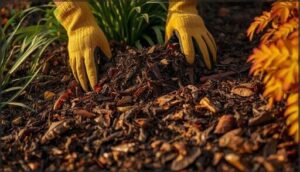
Your perennials need a protective blanket before winter hits. Spread 2 to 3 inches of organic mulch—shredded bark, composted leaves, or apple pomace—around plants to insulate roots and stabilize soil temperature during freeze-thaw cycles. Keep mulch away from stems to prevent rot.
This simple fall garden checklist step delivers winter insulation, moisture retention, and weed suppression, while enriching your perennial garden with decomposing organic matter.
Planting Cover Crops to Enrich Soil
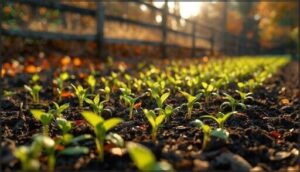
Want to turn garden beds into soil factories while they rest? Plant cover crops like cereal rye or crimson clover this fall to boost nitrogen fixation, organic matter, and erosion control. These living mulches outperform bare soil by improving soil health management and structure.
Sow before your first frost, then turn them under in spring as natural compost—a smart fall garden checklist move for long-term soil enrichment and garden soil preparation. For best results, consider the cover crop guidelines to think about when planting.
Removing Diseased or Pest-Ridden Debris
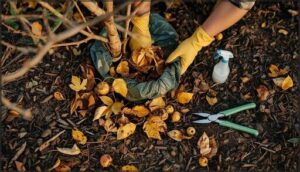
Leaving sick plants behind is like inviting trouble to winter over and multiply. Disease prevention and pest control start with thorough debris removal this fall. Here’s your sanitation methods checklist:
- Pull diseased foliage showing mildew, rust, or blight symptoms
- Dig out infected roots to stop soil-borne pathogens
- Collect mummified fruits from trees and ground
- Bag contaminated material for trash, not home compost
- Disinfect tools between cuts to prevent spread
Smart garden cleanup protects next year’s harvest. Effective garden disease control is vital for a healthy garden.
Perennial, Vegetable, and Bulb Care

Your perennials, bulbs, and vegetable beds need attention now to bounce back stronger next spring. Fall is the perfect time to divide crowded plants, tuck tender bulbs away for winter, and get spring bloomers in the ground.
These five tasks will keep your garden productive and ready for the growing season ahead.
Lifting and Dividing Overgrown Perennials
When your perennials show dead centers or crowded clumps, it’s time for division and plant rejuvenation.
Lift overgrown plants in early fall, about six weeks before frost, by digging a wide circle around the root mass. Pull or cut sections with three to five shoots each, trim damaged roots through root pruning, then replant at the original depth.
Water thoroughly and add mulch for garden renewal.
Digging and Storing Tender Bulbs
After lifting overgrown perennials, shift your focus to tender bulb care—dahlias, gladiolus, and cannas won’t survive freezing temperatures without your help.
Wait until the first frost browns the foliage, then use a digging fork to lift bulbs without bruising them. Cure them for one to three weeks in a dry, ventilated spot at 60 to 70 degrees.
Store in breathable containers with peat moss at 45 to 50 degrees for successful winter protection strategies.
Planting Spring-Blooming Bulbs
Once your tender bulbs are safely stored, it’s time for fall planting of hardy spring bulbs like tulips and daffodils. Plant when soil temperature drops to about 13 degrees Celsius at 15 centimeters deep, usually four to six weeks before the ground freezes. Set bulbs two to three times their height deep in well-drained soil.
In warm climates, prechill tulips and hyacinths for ten weeks to meet chilling requirements.
Adding Mulch to Vegetable and Flower Beds
After planting your spring bulbs, spread a 2 to 4 inch layer of organic mulch over vegetable and flower beds. Apply after the first hard frost, when soil temperatures have dropped and stayed low.
This winter protection offers soil insulation, weed suppression, and moisture retention. Choose straw, shredded leaves, wood chips, or pine needles as organic options.
Mulch shields roots from freeze-thaw cycles while enriching soil as it decomposes.
Collecting and Saving Seeds
Harvest seeds from fully ripened plants to save money and preserve your favorite varieties for next season. Wait until seed pods turn brown and dry, then collect and clean them thoroughly.
Store seeds in labeled paper envelopes in a cool, dry spot. Proper seed storage maintains strong germination rates.
This fall gardening checklist task lets you skip seed catalogs next spring while keeping your best-performing plants going strong year after year.
Tree, Shrub, and Plant Protection

As the weather shifts, your trees and shrubs need a little extra care to make it through winter. Protecting them now sets the stage for healthy growth next spring.
Here’s what you should focus on before the cold settles in.
Planting New Trees and Shrubs
Fall is your best window for planting new trees and shrubs because roots can settle in before winter hits. Here’s how to get it right:
- Choose the right spot – Match soil type and drainage to your plant’s needs for stronger root establishment
- Dig wide, not deep – Make the hole twice as wide as the root ball but no deeper
- Position carefully – Set the root ball 1 to 2 inches above ground level to prevent suffocation
Watering and Mulching for Winter
Before the ground freezes, deep watering matters most for root protection. Water newly planted trees weekly and established ones every 10 days, moistening soil 6 to 12 inches deep.
Apply 2 to 4 inches of organic mulch around trunks to retain soil moisture and insulate roots through winter.
This fall gardening checklist step prevents winter desiccation and frost damage during your winter preparation efforts.
Pruning After Dormancy Begins
Wait until leaves drop and sap retreats before you prune, giving trees their best chance to seal cuts and avoid stress. Dormant pruning reduces disease risk and makes tree pruning easier when branches are bare.
Focus your shrub care on removing dead or damaged wood first. This winter cutting step in your fall gardening checklist promotes healthy spring growth during winter preparation.
Protecting Sensitive Plants From Frost
Tender perennials and vulnerable plants need your attention before the first killing freeze arrives. Shield sensitive foliage with proven frost protection methods to extend your growing season and safeguard your investment:
- Water soil thoroughly before predicted frosts to boost soil moisture and heat retention around roots
- Drape row covers or frost cloth over plants, anchoring edges to trap ground warmth
- Apply mulching techniques around crowns to insulate root zones from temperature swings
- Install season extension structures like cold frames or low tunnels for reliable protection
- Monitor forecasts and cover plants when temperatures threaten to drop below freezing
This fall gardening checklist step keeps perennial care on track while winterizing your yard against unpredictable cold snaps.
Guarding Trunks Against Wildlife and Sun
Young trees face twin threats as temperatures drop: hungry wildlife and harsh sun exposure. Wrap trunks with spiral guards or breathable tree wraps to prevent gnawing from deer and rodents while shielding bark from sunscald.
Apply wildlife-safe repellents to deter browsing, and maintain proper mulching and watering to strengthen tree health.
These trunk protection and wildlife deterrent steps complete your winter garden preparation and plant protection strategy.
Top 4 Tools and Supplies for Fall Gardening
You’ve done the hard work of planning your fall garden tasks. Now it’s time to make sure you have the right tools to get the job done efficiently.
Here are four essential supplies that will help you tackle pruning, planting, protection, and maintenance with confidence.
1. Tabor Tools Anvil Lopper
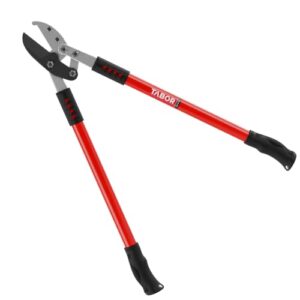
You’ll need serious cutting power this fall, and the Tabor Tools Anvil Lopper delivers exactly that. This tool slices through branches up to 2 inches thick, making quick work of pruning techniques that would exhaust you with hand shears.
The compound action and hardened carbon steel blade reduce strain on your wrists, while rubberized grips keep your hands comfortable during extended garden tool care sessions.
It’s a smart addition to your fall gardening checklist, offering both branch cutting efficiency and long-term value with replaceable blades for ongoing lopper maintenance.
| Best For | Homeowners and gardeners who need to tackle thick, woody branches and dead growth without straining their hands or wrists. |
|---|---|
| Primary Use | Branch cutting |
| Material Quality | Hardened carbon steel |
| Weather Resistance | All-season use |
| Durability | Professional grade |
| Ease of Use | Comfort grip handles |
| Storage | Compact design |
| Additional Features |
|
- Cuts through branches up to 2 inches thick with compound action that reduces the effort needed, making it manageable even if you have arthritis or weaker grip strength.
- Sharp, non-stick coated blade glides through wood smoothly and can be replaced when it eventually wears down, so you’re not tossing the whole tool.
- 30-inch length gives you good reach and leverage without needing a ladder for most pruning jobs.
- Weighs about 3.4 pounds, which can feel heavy and awkward during long pruning sessions or if you’re working overhead.
- Struggles a bit with branches at the upper end of its 2-inch capacity—you’ll need to apply more pressure than you might expect.
- Doesn’t match the clean cutting performance of higher-end bypass loppers, especially on live or green wood.
2. Workpro Hori Hori Garden Knife Tool

For close-up work like bulb planting and soil prep, the Workpro Hori Hori Garden Knife becomes your go-to companion. This Japanese-style blade features a 7-inch double edge—one sharp, one serrated—plus inch and millimeter markings for precise depth control.
The stainless steel construction manages digging, weeding, and root cutting without rusting, while the ergonomic TRP handle gives you a solid grip even in damp conditions.
At $19.99 with an Oxford sheath included, it’s a worthy addition to your fall gardening checklist that simplifies garden maintenance tasks and minimizes tool care hassles.
| Best For | Gardeners who need a versatile hand tool for bulb planting, weeding, and soil prep with precise depth measurements. |
|---|---|
| Primary Use | Digging and weeding |
| Material Quality | Stainless steel |
| Weather Resistance | Rust-resistant |
| Durability | Tear-resistant blade |
| Ease of Use | Ergonomic TRP handle |
| Storage | Oxford sheath included |
| Additional Features |
|
- Double-edged 7″ stainless steel blade handles digging, cutting, and weeding without rusting
- Built-in measuring marks (inches and millimeters) let you plant bulbs at exact depths
- Comes with an Oxford sheath and ergonomic handle for comfortable grip at just $19.99
- Slightly heavier than some users expected for extended use
- Handle size may feel too large for people with smaller hands
- May arrive with minor oily residue on the blade that needs cleaning
3. DeaGenlte Plant Frost Protection Covers
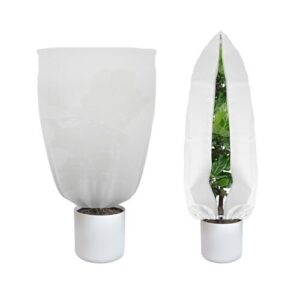
When frost threatens your tender perennials and late-season vegetables, DeaGenlte Plant Frost Protection Covers act as a reliable barrier against cold damage.
These 80 x 100 cm non-woven fabric covers breathe while shielding plants from winter’s bite, allowing sunlight through without trapping moisture.
The drawstring design secures quickly around shrubs and potted plants, so you won’t waste time wrestling with garden covers during fall garden preparation.
At around $20 for a two-pack, they’re practical winter protection that simplifies seasonal gardening and keeps frost damage at bay.
| Best For | Gardeners protecting tender perennials, young shrubs, and container plants from unexpected frosts and winter cold snaps. |
|---|---|
| Primary Use | Plant protection |
| Material Quality | Non-woven fabric |
| Weather Resistance | Frost and rain protection |
| Durability | Tear-resistant fabric |
| Ease of Use | Drawstring closure |
| Storage | Folds for storage |
| Additional Features |
|
- Breathable non-woven fabric lets light and air through while blocking frost, so plants stay healthier than under plastic tarps
- Drawstring closure makes setup quick and secure, even when you’re racing against a sudden freeze
- Two 80 x 100 cm covers for around $20 gives you solid value for protecting multiple plants each season
- Size won’t work for large shrubs or mature trees—you’ll need bigger covers or alternative methods
- Durability details are unclear, so it’s hard to know if they’ll last multiple seasons of heavy use
- May need stakes or weights in windy conditions since the fabric is lightweight and can blow off
4. Glaze N Seal Paver Sealer
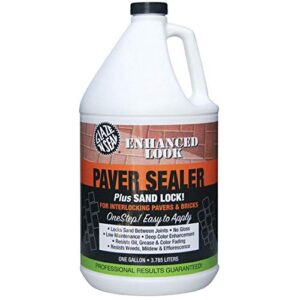
Beyond protecting plants, fall garden preparation includes sealing patios and walkways against winter weather.
Glaze N Seal Paver Sealer provides concrete protection that resists oil, fading, and moisture damage on pavers, brick, and stone surfaces. Apply this water-resistant sealant during dry fall days to lock in deeper color and shield outdoor hardscaping from freeze-thaw cycles.
At around $30 per gallon, it’s smart patio maintenance that complements your seasonal gardening efforts, ensuring your entire landscape—not just your plants—weathers winter’s challenges with confidence.
| Best For | Homeowners looking to protect and enhance the color of their concrete pavers, brick, or stone patios, driveways, and walkways before winter weather sets in. |
|---|---|
| Primary Use | Surface sealing |
| Material Quality | Liquid sealant |
| Weather Resistance | Water resistant |
| Durability | Long-lasting finish |
| Ease of Use | Easy to apply |
| Storage | 1 gallon container |
| Additional Features |
|
- Deep color enhancement with a wet-look finish that resists fading from UV exposure and weather damage.
- Strong resistance to oil, grease, stains, and efflorescence, making it ideal for driveways and high-traffic areas.
- Water-resistant formula that’s easy to apply and helps protect surfaces from freeze-thaw damage during winter months.
- May not perform well on pavers in areas with heavy rain and snow, limiting its effectiveness in harsh climates.
- Can leave a rubbery or sticky feel initially after application, though this usually fades over time.
- Requires thorough surface preparation including complete drying, and may have a lingering synthetic smell after use.
Frequently Asked Questions (FAQs)
How often should I water my garden in fall?
The best soil stays as moist as a wrung-out sponge—aim for one inch per week from rainfall or irrigation combined.
Monitor soil moisture at four to six inches deep, adjusting your fall irrigation schedule based on what you find.
When should I apply fall lawn fertilizer?
Apply fall fertilizer when daytime highs reach the 60s and soil temperatures cool, usually 6–8 weeks before your first hard frost.
This timing aids root growth and winter hardiness while preventing freeze-damaged new growth.
Can I plant vegetables in the fall season?
Yes, you can plant cool season crops like lettuce, spinach, kale, and radishes in fall. These frost-tolerant vegetables thrive in cooler temperatures, and succession plantings extend your harvest window throughout the season.
Should I cover outdoor containers before winter arrives?
Covering outdoor containers protects roots from frost damage and temperature swings. Wrap pots with burlap or horticultural fleece, add mulch on top, and move tender plants to sheltered spots for effective winterization and cold hardiness.
How do I protect plants from early frost?
Think of it as tucking in your garden—use frost blankets or row covers when temperatures drop below 32°F, water thoroughly before cold nights, and mulch tender perennials to prevent freeze damage.
When should I stop watering outdoor plants completely?
You can stop watering when nighttime temperatures stay below 45°F and soil moisture remains adequate from rainfall.
Watch for dormancy signs and reduce winter irrigation gradually, aligning with frost dates and water conservation practices.
How do I winterize my irrigation system properly?
Start by shutting off your irrigation’s main water supply and draining all pipes. Blow out remaining water with an air compressor, then insulate exposed valves and backflow preventers before the first hard freeze hits.
Should I fertilize trees and shrubs in fall?
Fall fertilization isn’t one-size-fits-all for tree and shrub care. Soil testing reveals whether your plants need nutrients, while proper fertilizer timing prevents frost-vulnerable growth. Avoid high-nitrogen formulas late in the season.
Whats the best way to store garden tools?
A place for everything and everything in its place—store garden tools in a dry, ventilated shed.
Clean them first, oil metal parts, and hang sharp tools safely on pegboards for rust prevention.
Can I still plant perennials this late in fall?
You can plant hardy perennials in early to mid-fall if your soil stays workable. Choose frost-tolerant varieties, prepare well-draining beds, and apply mulch for frost protection to help roots establish before winter arrives.
Conclusion
Your garden’s winter survival starts with the work you complete now. Your lawn needs proper aeration, your beds require fresh mulch, and your trees deserve protection from frost damage. This seasonal fall gardening checklist transforms autumn maintenance from overwhelming guesswork into systematic preparation.
Each task you finish strengthens your landscape’s defenses against freezing temperatures and spring diseases. Complete these steps before the ground freezes, and you’ll watch your garden emerge healthier, stronger, and ready to flourish when warmer weather returns.
- https://goto.walmart.com/c/1943169/568844/9383?subId1=homesandgardens-us-1170816084909808214&sharedId=homesandgardens-us&u=https%3A%2F%2Fwww.walmart.com%2Fip%2FWavEnforcer-Military-5-Oval-Boar-Bristle-Wave-Brush-Brown%2F10532618%3FclassType%3DREGULAR%26adsRedirect%3Dtrue
- https://www.instagram.com/the_inspired_garden/
- https://www.linkedin.com/in/joe-raboine-863350a1
- https://www.highcountrygardens.com/gardening/lasagna-planting-fall-planted-bulbs-for-spring-blooms
- https://www.lazygardening.academy/courses/lazy-gardening