This site is supported by our readers. We may earn a commission, at no cost to you, if you purchase through links.
Most gardeners write off their plots come August, already mourning the tomatoes. That’s a missed opportunity—fall is when some vegetables hit their peak flavor. Kale gets sweeter after the first frost, and carrots turn almost candy-like once cold nights trigger them to convert starches into sugar. The season isn’t winding down; it’s shifting gears.
Timing makes the difference between a sparse fall table and one loaded with fresh greens, crisp roots, and brassicas worth bragging about. A few smart choices now—the right crops, a little soil prep, and some basic frost protection—keep your garden producing well into the cold months.
Table Of Contents
- Key Takeaways
- Choose Crops for Fall Success
- Prepare Soil for Strong Yields
- Water and Protect Autumn Crops
- Harvest, Cure, and Store Produce
- Top 6 Fall Harvest Helpers
- Frequently Asked Questions (FAQs)
- What are signs of a good harvest?
- Is it too late to plant fall vegetables in October?
- How do you preserve the fall harvest?
- What is the spiritual meaning of the fall harvest?
- What is the best food to plant in the fall?
- When to start seeds for fall harvest?
- How to maximize harvest?
- What should you not plant in the fall?
- How do I know when carrots are ready?
- Whats the best soil temperature for planting?
- Conclusion
Key Takeaways
- Frost is your friend, not your enemy — kale, carrots, and Brussels sprouts actually get sweeter after a freeze as starches convert to sugar.
- Timing your plantings backward from your first frost date, using the seed packet’s days-to-maturity number, is the single most important step for a full fall harvest.
- A little soil prep — compost, pH testing, and mulch — does more for your fall yields than any fertilizer you’ll find on a store shelf.
- Harvesting greens in the early morning and storing roots in cool, humid conditions are the two habits that keep your fall bounty fresh well into winter.
Choose Crops for Fall Success
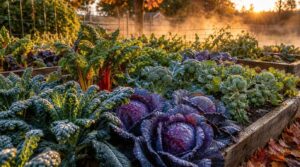
Not every vegetable thrives in fall, so picking the right ones from the start makes all the difference. The good news is that cool weather actually works in your favor — if you know which crops to lean on.
Pairing the right crops with smart crop rotation strategies for fall raised beds helps you avoid common pitfalls and keep your soil healthy season after season.
Here are the best picks to get your fall garden off to a strong start.
Frost-sweetened Brassicas
Here’s something worth knowing: kale, broccoli, and Brussels sprouts actually get better after a frost. Cold nights trigger sugar conversion, reducing bitterness and enhancing sweetness in their leaves. This process delivers a flavor transformation—less bitter, sweeter—that elevates their taste.
Frost makes kale, broccoli, and Brussels sprouts sweeter by converting starches to sugar overnight
The visual and textural changes are equally striking. Color deepens to a richer green, while the texture crispness becomes exceptionally satisfying. Aroma enhancement fills your kitchen with a wonderful fragrance, making preparation a sensory delight.
Time your harvest right, and postharvest care remains simple. cold exposure increases sweetness also benefits root crops like carrots and beets, intensifying their natural sugars for richer flavor.
Quick-maturing Vegetable Varieties
Not every fall crop needs weeks to settle in. Fast Tomatoes like Early Girl ripen in just 50–65 days, while Speedy Lettuce and arugula hit baby-leaf stage in 25–40 days. Early Pea Pods and Rapid Radish round out your seasonal planting schedule nicely.
Check your seed packet’s days to maturity — that number is your best tool for harvest timing optimization and reaching proper maturity before the cold moves in.
Root Crops Before Frost
Root crops are natural cold-weather performers. Carrots, parsnips, and beets actually benefit from frost sweetness — a light freeze converts starches into sugars, making them taste better straight from the ground. That’s your bonus for patient, well-timed harvests.
Achieve your best harvest timing with these soil moisture management and cold-hardening techniques:
- Leave carrots in the ground until just before a hard freeze — soil moisture management keeps them crisp and sweet
- Parsnips hit peak flavor weeks after the first frost, so let them linger if the soil stays firm
- Mulching for frost protection with 2–3 inches of straw buys you extra harvest days
- Lift beets gently with a garden fork once tops yellow — cold tolerance drops after that
- Harvest rutabagas and turnips during milder frost windows for the best texture and storage climate control
Succession Planting Leafy Greens
While root crops wait patiently underground, leafy greens reward a different kind of planning — garden succession. Staggered sowing every two weeks keeps your harvesting window open all season long. This approach ensures a continuous supply of fresh greens.
Try a variety mix: spinach, arugula, and baby kale on a simple planting calendar. This leafy rotation means cold weather harvesting never stops, and your fall table stays full. By planning ahead, you can enjoy a steady harvest throughout the season.
Days-to-maturity Planning
Timing is everything for fall planting. Your seed packet DTM — days to maturity — is the starting point for building a solid maturity timeline. Use it to work backward from your first frost date and lock in planting deadlines before the window closes.
- Cool temps can slow crop maturity monitoring
- Temperature influences germination speed greatly
- Build a 5–10 day harvest buffer into your seasonal planting schedule
- Track plant maturity weekly for harvest timing optimization
Prepare Soil for Strong Yields
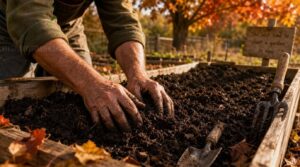
Good soil is the foundation of a strong fall garden — get it right, and everything else becomes easier. A few key steps will set your beds up for the best possible harvest.
Before you plant a single seed, focus on preparing your beds first. Here’s what to focus on first.
Test Soil PH Early
Think of your soil as the foundation of everything you’ll grow this fall. Before planting, grab soil testing kits or portable pH meters to assess conditions. Testing early ensures you address issues proactively.
Once you know your soil’s health, you can plan ahead for what you’ll actually store—check out this guide on harvesting and storing seasonal root crops to match your planting choices to your cellar setup.
Aim for a pH between 6.0 and 7.0, the ideal range for nutrient management. Timing for pH adjustments matters, so use acid or lime balancing to correct imbalances before planting. This preparation ensures optimal soil health for your crops.
Add Compost Before Planting
Once your pH is sorted, compost is your next best move for soil health. It’s organic matter that does triple duty — feeding plants, loosening clay soil, and giving your soil a microbial boost that synthetic fertilizers simply can’t match.
Follow these five steps for smart pre-plant compost timing:
- Spread 2–3 inches evenly for proper compost depth integration
- Work it into the top 6–12 inches as a thorough soil amendment
- Blend carefully to avoid nutrient hotspot prevention failures
- Confirm it’s crumbly — finished compost only
- Plant immediately after mixing for strongest establishment
Mulch for Moisture Retention
Mulching matters more than most gardeners realize. A 2–3 inch layer of organic mulch — straw, shredded leaves, or compost — cuts soil moisture loss by up to 40 percent. That’s your plants drinking smarter, not harder.
For ideal mulch thickness, go 2 inches on fine soil, 3 inches on sandy beds. This ensures optimal moisture retention and soil health.
Avoid piling it against stems, as this can trap excess moisture and harm plants. Replenish mulch whenever the surface settles more than an inch to maintain its protective benefits.
Improve Raised Bed Drainage
Poor drainage can quietly drown your fall crops before frost ever gets the chance. Start with a Gravel Base Layer — 2 to 4 inches of crushed stone at the bed bottom keeps water moving.
Add a Perforated Drain Pipe on a slight slope to carry excess away. Drainage holes along the sides help too.
An Elevated Bed Design and balanced soil mix amendments round out your defense.
Feed Cool-season Crops
Cool-season crops are light feeders, but they still need the right nutrients at the right time. Start with a balanced fertilizer based on your soil test, then supplement with an organic liquid feed every two to three weeks.
A foliar fertilizer application of micronutrient sprays keeps leaves deep green.
Watch your nitrogen timing — too much late in the season pushes soft growth that frost damage loves.
Water and Protect Autumn Crops
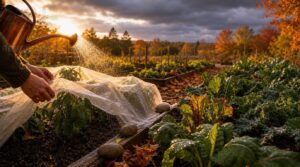
Fall crops are surprisingly tough, but they still need the right care to push through cold snaps and wet spells.
Getting your watering routine right — and knowing how to shield plants before a freeze — makes all the difference between a strong harvest and a disappointing one. Here’s what works.
Morning Watering Routine
Perfect timing is everything when fall mornings turn crisp. Water your garden between 6 and 9 a.m. — that’s your sweet spot for root zone hydration before the day heats up.
A smart watering schedule combined with soil moisture monitoring (grab a moisture meter if you don’t have one) keeps soil moisture retention steady. Stick to light morning irrigation, and you’ll sidestep frost-safe watering mistakes that catch many gardeners off guard.
Drip Irrigation Benefits
Once you’ve nailed your morning routine, a drip irrigation kit takes your smart watering schedule to the next level. It delivers water straight to the root zone — boosting water use efficiency by up to 70% compared to overhead sprinklers.
This approach ensures better soil moisture retention, stronger soil health, and natural weed suppression in dry row middles. It also delivers real energy savings and the yield consistency every fall gardener wants.
Prevent Soggy Fall Soil
Even with a drip irrigation kit doing the heavy lifting, fall rains can still leave your beds waterlogged. Aerate compacted spots using soil aeration techniques with a garden fork, then layer in a gravel underlay layer beneath raised beds.
French drain installation or a simple swale channel design redirects runoff fast.
Cover crop integration and mulch to protect roots keep soil moisture management on point all season.
Row Covers Before Frost
Once your soil drains well, the next line of defense is keeping warmth right where your plants need it. Row covers and frost blankets serve this purpose effectively. Cover weight selection matters: lighter fabrics suit mild temperature dips, while heavier ones handle harder freezes.
Proper support frame design ensures the fabric stays off leaves, preventing damage. Master edge securing techniques using soil weights or pins to anchor covers firmly. Ventilate them on warm afternoons to prevent overheating, maintaining optimal conditions beneath the fabric.
Store covers clean and dry after each use to ensure seasons of reuse, preserving their protective qualities for future frost events.
Low Tunnels for Warmth
Low tunnels enhance cold weather protection beyond row covers. Bend half-inch conduit into hoops spaced two to four feet apart, then stretch clear plastic film over them — that is your basic plastic tunnel.
Cover film selection significantly impacts performance: clear film boosts daytime warmth, while thermal options retain heat overnight.
Smart thermometer placement inside helps detect overheating early, ensuring your sidewall opening strategy maintains effective temperature regulation.
Harvest, Cure, and Store Produce
All that careful growing and protecting pays off the moment you’re ready to bring your crops in. But how you harvest, cure, and store your produce matters just as much as how you grew it.
Here’s what you need to know to keep your fall bounty fresh and lasting well into winter.
Harvest Greens in Morning
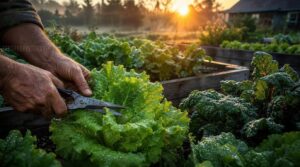
Think of your garden at dawn—dew‑laden leaves crisp, plants fully refreshed. That’s your harvest window. Early moisture capture happens between 6 and 10 a.m., when turgor preservation is at its peak. Dawn flavor intensity is real: harvesting leafy greens before the sun climbs locks in pre‑sun nutrient retention.
Use sharp, clean tools, prioritize perishable crops first, and check weather patterns before heading out.
Lift Roots Gently
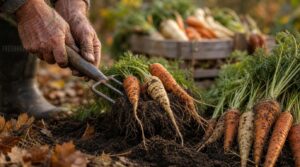
Harvesting root vegetables requires patience and the right touch. Begin by sliding a sharp fork 2–3 inches beside each row—tool sharpness matters—then undercut and cradle the root ball from multiple sides. Maintain root ball moisture before lifting, using a steady vertical motion rather than yanking.
Handle with care: cut, don’t pull. This approach ensures roots remain unbruised from the moment they leave the ground.
Proper depth placement in storage hinges on preserving root integrity throughout the process.
Cure Onions and Squash
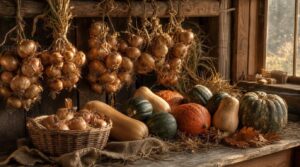
Curing is what turns a fresh harvest into a pantry that lasts all winter. Once you cure and clean your crop properly, you’re buying yourself months of good eating.
- Onions: Dry in a well-ventilated spot at 75–85°F with humidity kept under 60% during curing for 2–6 weeks.
- Winter squash: Temperature control is key—aim for 50–55°F with steady air circulation.
- Curing duration: Don’t rush it; longer curing means thicker skins and less rot.
- Cut squash preservation: Store cut pieces in a cool, dark, drying environment to slow moisture loss.
Store Roots in Humidity
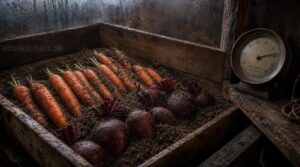
Roots are living things — even after harvest. To keep carrots and beets crisp for months, pack them in damp sand or peat moss inside perforated bins. That’s your humidity bedding doing the work.
Aim for 32–40°F with 90–95% humidity. Temperature consistency is everything here.
Use a hygrometer for humidity monitoring, check weekly for mold prevention, and pull any soft ones fast.
Freeze, Dry, or Pickle
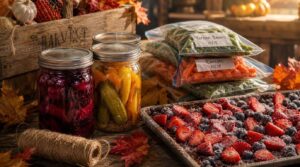
Don’t let a bumper crop go to waste — preserve the harvest while it’s at its peak.
- Freeze produce in labeled bags; blanch vegetables first to lock in color and stop enzyme activity.
- Freeze-drying texture stays surprisingly close to fresh — lyophilization flavor retention is excellent, especially for fruit freeze-drying like berries.
- Pickling vegetables with tested pickling brine ratios creates shelf-stable pickles that last a year or more.
Top 6 Fall Harvest Helpers
The right tools can make fall gardening a whole lot easier. Whether you’re managing water, fighting frost, or building a better growing space, having the right gear in your corner saves time and protects your harvest.
Here are six products worth keeping on your radar this season.
1. Rain Bird Drip Irrigation Repair Kit
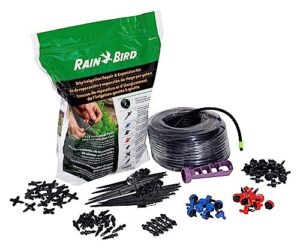
When one emitter clogs or a line cracks mid-season, your whole watering schedule can fall apart fast. That’s where the Rain Bird Drip Irrigation Repair Kit earns its place in your garden bag.
For about $31, you get 102 components — emitters in three flow rates, tees, couplers, plugs, and 100 feet of 1/4" tubing — all in one portable pouch. The pressure-compensating emitters keep water flowing evenly across sloped beds, so every plant gets its fair share without you constantly adjusting.
| Best For | Home gardeners and DIYers who want a simple, all-in-one kit for fixing or expanding a drip irrigation system without a trip to the hardware store. |
|---|---|
| Primary Use | Drip irrigation repair/expansion |
| Material | Polyethylene |
| Coverage Area | 100 ft tubing range |
| Ease of Setup | Portable pouch, tool included |
| Reusability | Multi-use repair kit |
| Price Range | $31.47 |
| Additional Features |
|
- 102 pieces in one compact pouch — emitters, tees, couplers, plugs, and 100 ft of tubing covers most common repairs and small expansions
- Pressure-compensating emitters deliver consistent flow on slopes and uneven terrain, so you’re not babysitting water distribution
- The included installation/removal tool makes swapping emitters quick and easy, even mid-season
- No three-way connector included, which can be a problem if your layout needs branching lines
- Only 10 high-flow (2.0 GPH) emitters — not enough for larger beds or thirsty plants without buying more
- Only works with 1/4" tubing, so if your system uses larger lines, you’ll need extra adapters
2. Heavy Duty Flat Soaker Garden Hose
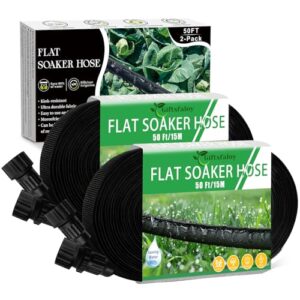
Sometimes a repair kit gets you out of trouble, but a solid watering setup keeps you out of it in the first place. The Giftsfaloy Heavy Duty Flat Soaker Hose delivers precisely this. Each 100-foot roll seeps water slowly and evenly straight to your roots — no runoff, no soaked leaves.
It connects to a standard faucet or timer, lies flat under mulch, and can be buried for a cleaner look. That’s hands-free fall watering done right.
| Best For | Home gardeners who want a low-effort, water-efficient setup for flower beds, veggie rows, or raised beds without babysitting a sprinkler. |
|---|---|
| Primary Use | Soil-level watering |
| Material | PVC with fabric liner |
| Coverage Area | 100 ft hose length |
| Ease of Setup | Standard hose-thread connect |
| Reusability | Reusable seasonal hose |
| Price Range | Budget-tier |
| Additional Features |
|
- Saves serious water — up to 80% less than spray irrigation by delivering it straight to the roots
- Easy to set up and forget: connect it to a timer and let it run on its own schedule
- Flexible enough to lay on the surface or bury under mulch for a clean, tidy look
- Emitters can clog after sitting unused for a while, meaning you might get little to no flow when you need it
- Plastic fittings get the job done but feel a bit flimsy compared to metal connectors
- Low pressure means watering a large area takes time — not ideal if you’re in a hurry
3. General Tools Digital Moisture Meter
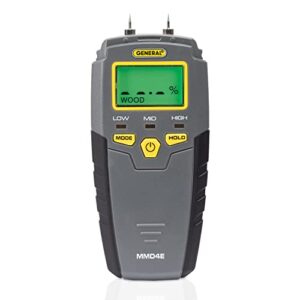
Knowing your soil is wet isn’t enough — you need to know how wet. That’s where the General Tools Digital Moisture Meter earns its place in your fall toolkit.
Push the stainless-steel pins into your garden bed, and within seconds you get a clear reading on the backlit LCD. No guesswork, no overwatered roots, no soggy beds inviting rot.
The audible alert and Read Hold button make it easy to check multiple spots fast and actually track what you find.
| Best For | Homeowners and contractors who need a quick, reliable way to check moisture levels in wood, drywall, concrete, or other building materials before problems turn into expensive repairs. |
|---|---|
| Primary Use | Moisture detection |
| Material | Stainless steel pins |
| Coverage Area | Pin-depth contact area |
| Ease of Setup | Plug-in battery, instant read |
| Reusability | Reusable with battery swap |
| Price Range | Mid-range |
| Additional Features |
|
- Switches between wood and building materials mode, so it’s useful across a wide range of projects — not just one job
- The backlit display, audible alerts, and Read Hold button make it easy to take readings solo, even in dim or awkward spaces
- Compact and straightforward to use, with no learning curve for DIYers or pros
- The pins leave small holes in whatever you’re testing, which isn’t ideal if surface damage is a concern
- Hard woods like Brazilian walnut can snap or dull the pins, meaning you’ll need replacements on hand
- A ±3% margin of error is fine for most tasks, but not precise enough for applications where tight tolerances actually matter
4. AlpineReach Plant Frost Cover
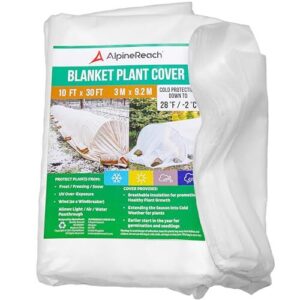
Once you know your soil is ready, it’s time to think about protecting your crops from above-ground threats. A surprise frost can undo weeks of careful work overnight—and that’s exactly what the AlpineReach Plant Frost Cover is built to prevent.
Spread this 10×30-foot breathable blanket over your rows when temperatures threaten to dip toward 28°F. Your crops stay protected without losing light or airflow. The cover is reusable, easy to anchor, and gives your fall garden a real fighting chance.
| Best For | Gardeners who want reliable, reusable frost protection for raised beds, fruit trees, and seedlings without babysitting their garden every cold night. |
|---|---|
| Primary Use | Frost/freeze protection |
| Material | Permeable woven fabric |
| Coverage Area | 300 sq ft sheet |
| Ease of Setup | Floating row, no tools |
| Reusability | Reusable year after year |
| Price Range | Budget-tier |
| Additional Features |
|
- Breathable fabric lets light, air, and water through—so you don’t have to lift it every time you need to water or check on your plants.
- Rated down to 28°F and covers a full 10×30 feet, making it practical for most home garden setups.
- Reusable season after season, so it pays for itself pretty quickly compared to replacing frost-damaged plants.
- Some users have reported tearing with regular use, so it may not hold up as long as you’d hope with rough handling or harsh weather.
- The fixed 10×30 size can be awkward for oddly shaped beds—you might need to trim it or piece together multiple covers.
- You’ll need stakes or clips to keep it from blowing away in the wind, which means extra hardware not included in the box.
5. Land Guard Galvanized Raised Garden Bed
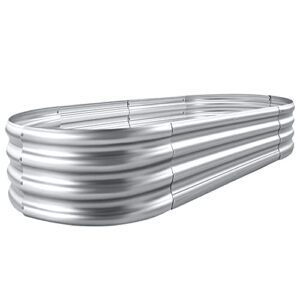
Control over your growing space starts with a solid foundation—and the Land Guard Galvanized Raised Garden Bed delivers exactly that. Built from Q195 galvanized steel with a double-layer anti-corrosion coating, it holds up through wet fall seasons without rusting out.
The open-bottom design ensures optimal drainage, preventing roots from sitting in waterlogged soil. This feature maintains healthy root systems even in heavy rainfall.
At 4×2×1 ft per unit, the modular design allows you to stack kits for deeper beds, ideal for root crops. Assembly takes about five minutes, offering simplicity and sturdiness for immediate use.
| Best For | Home gardeners who want a rust-resistant, easy-to-assemble raised bed that works well in tough outdoor climates. |
|---|---|
| Primary Use | Raised bed gardening |
| Material | Galvanized Q195 steel |
| Coverage Area | 8 sq ft per unit |
| Ease of Setup | ~5 min assembly |
| Reusability | Reusable raised bed frame |
| Price Range | Mid-range |
| Additional Features |
|
- Galvanized Q195 steel with double-layer coating means it won’t rust out after a season or two in wet conditions.
- Open-bottom design keeps roots healthy by letting excess water drain freely instead of pooling underneath.
- Quick assembly (around 5 minutes) and stackable kits make it easy to set up or reconfigure as your garden grows.
- Panel edges are sharp, so you’ll want gloves handy when putting it together.
- Hardware defects have been reported—grab a few spare nuts and bolts just in case.
- The 1 ft depth won’t cut it for deep-rooted plants unless you stack units, which needs longer bolts that aren’t included.
6. Perfect Plants Frostproof Gardenia Plant
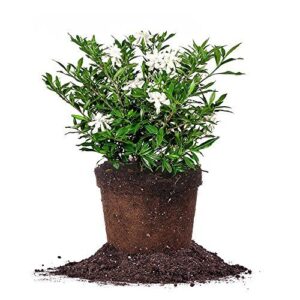
Not every fall helper has to be a vegetable. The Perfect Plants Frostproof Gardenia adds real beauty to your garden’s edges while pulling its own weight. This compact shrub grows to about 5 feet tall and produces intensely fragrant white blooms each spring and summer. Plant it near your garden entrance or along a path.
It’s deer-resistant, low-maintenance, and cold-hardy, handling late frosts with ease. A dependable, fragrant border, it rewards you season after season.
| Best For | Gardeners who want a low-maintenance, fragrant shrub that adds year-round structure and seasonal blooms to borders, entryways, or garden paths. |
|---|---|
| Primary Use | Ornamental planting |
| Material | Live plant in plastic pot |
| Coverage Area | ~20 sq ft mature spread |
| Ease of Setup | Ready-to-plant, 1-gal pot |
| Reusability | Perennial shrub |
| Price Range | $17.99 |
| Additional Features |
|
- Intensely fragrant white flowers each spring and summer — a real sensory payoff for minimal effort
- Deer-resistant and cold-hardy, so it holds up without much babying
- No regular pruning needed, and it generally relies on rainfall to get by
- Won’t ship to California or Arizona, so a chunk of gardeners are just out of luck
- Blooming isn’t guaranteed in the first year — you may need some patience
- Needs decent sun; if your spot is mostly shaded, it probably won’t thrive
Frequently Asked Questions (FAQs)
What are signs of a good harvest?
Good harvests do not lie. Look for rich color, firm texture, and a sweet smell near ripe fruit.
Roots should pull clean, and produce should feel heavy and solid for its size.
Is it too late to plant fall vegetables in October?
October isn’t a closed door — it’s more like a window cracked open.
Radishes, spinach, and lettuce still have time. With protective covers, you can squeeze in a solid harvest before frost arrives.
How do you preserve the fall harvest?
You can freeze, dry, can, or ferment your fall harvest. Blanch vegetables first before freezing, and store roots in cool, humid conditions to keep them fresh for months.
What is the spiritual meaning of the fall harvest?
It’s funny how pulling carrots from cold soil can feel like prayer.
The fall harvest quietly reminds you that patience, care, and trust in nature’s rhythm always leads to abundance worth celebrating.
What is the best food to plant in the fall?
Brassicas are your best bet — think kale, broccoli, and Brussels sprouts. They don’t just survive frost; they get sweeter because of it.
Root vegetables like carrots, beets, and parsnips also thrive.
When to start seeds for fall harvest?
Start cool-season seeds indoors 6 to 8 weeks before your first fall frost. Transplant seedlings outdoors 2 to 4 weeks before frost, once they’ve grown 4 to 6 true leaves.
How to maximize harvest?
To increase your fall harvest, time your plantings carefully, protect crops from early frosts, and pick greens in the cool morning hours.
Small, consistent steps throughout the season add up to a bigger, better yield.
What should you not plant in the fall?
Skip tomatoes, peppers, beans, corn, cucumbers, and eggplant — these warm-weather crops won’t mature before frost hits. Tender tropicals and fruit trees are also a bust in fall.
How do I know when carrots are ready?
Carrot shoulders peeking above the soil line are your clearest signal. Gently brush one clean — if it’s firm, vibrant orange, and about ¾ inch wide, it’s ready to pull.
Whats the best soil temperature for planting?
Think of soil temperature as your garden’s green light. For fall planting, aim for 50–60°F at 4 inches deep—this is the ideal range.
That’s the sweet spot where cool-season crops like kale and spinach germinate quickly and thrive.
Conclusion
Fall gardening doesn’t just extend your season—it transforms your entire relationship with the harvest. The gardeners who master tips for successful fall harvest aren’t simply getting more vegetables; they’re pulling sweetness from frost, coaxing flavor from cold soil, and eating fresh long after their neighbors have packed it in.
You’ve got the crops, timing, protection strategies. Now the only thing left is getting your hands back in the dirt—fall isn’t finished with you yet.
- https://www.gardenary.com/blog/grow-root-vegetables-fall-harvest
- https://www.almanac.com/soil-temperature-chart
- https://extension.umn.edu/planting-and-growing-guides/harvesting-and-storing-home-garden-vegetables
- https://www.uaf.edu/ces/publications/database/food/vegetable-storage.php
- https://ccetompkins.org/gardening/home-gardening/food-gardening/first-planting-dates