This site is supported by our readers. We may earn a commission, at no cost to you, if you purchase through links.
Something is eating your garden, and it started before you noticed. A ragged leaf here, a collapsed vine there—pests rarely announce themselves until the damage runs deep.
Experienced growers know that most infestations are preventable, but only if you catch the early signs and respond with the right tools.
A sticky film on your squash leaves means sap-suckers are already feeding. Dark frass on your tomatoes means hornworms are working overhead.
Knowing what each clue points to puts you back in control—and that’s exactly where this guide begins.
Table Of Contents
- Key Takeaways
- Spot Early Pest Warning Signs
- Scout Your Garden Step-By-Step
- Identify Common Sap-Sucking Pests
- Identify Chewing Garden Insects
- Identify Hidden Vine and Soil Pests
- Remove Pests Without Sprays
- Use Organic Pest Controls
- Protect Crops With Prevention
- Build Long-Term Pest Balance
- Frequently Asked Questions (FAQs)
- What attracts specific pests to my garden?
- How do weather conditions affect pest activity?
- When is peak season for garden pests?
- Can pests develop resistance to organic treatments?
- How do I handle pest infestations on edible crops?
- Which garden pests are active only at night?
- Can companion planting deter specific insect infestations?
- How does weather affect seasonal pest population surges?
- Are some plant varieties naturally resistant to pests?
- When should a professional exterminator be consulted?
- Conclusion
Key Takeaways
- Early warning signs like sticky honeydew, dark frass, and ragged leaf edges tell you exactly which pest is feeding before the damage gets out of hand.
- Weekly scouting with a hand lens — checking leaf undersides, stems, and buds — catches infestations while they’re still easy to stop.
- Organic controls like neem oil, Bt, and insecticidal soap each target different pest types, so matching the right tool to the right pest is what makes them work.
- Long-term pest balance comes from building habitat for beneficial insects, rotating crops, and keeping a seasonal pest diary — not from reaching for a spray every time.
Spot Early Pest Warning Signs
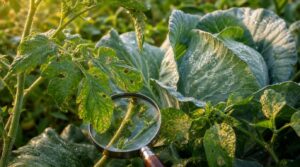
Pests rarely announce themselves — they leave clues first. Learning to read those clues early is the difference between a quick fix and a lost crop. Here are the key warning signs to watch for in your garden.
A quick look at common garden pest identification signs can help you match what you’re seeing to the specific culprit before damage spreads.
Chewed Leaves and Holes
Chewed leaves are your first clue that something is feeding on your plants.
Look closely at the hole edge shape — ragged, irregular edges usually mean caterpillars or beetles with chewing mouthparts. Small, round holes on seedlings point to flea beetles.
Smooth, clean edges with a silvery slime trail nearby? That’s slug damage. Holes with smooth green edges suggest slug or snail activity, as described in the guide on smooth green edges indicate slugs.
Each pest leaves its own signature.
Sticky Honeydew Residue
Not all damage shows up as holes. Sometimes the first sign is a sticky film on leaves and stems — that’s honeydew, a sugary waste excreted by sap-sucking insects like aphids, whiteflies, scale bugs, and mealybugs.
Spot black sooty mold coating the residue? That mold feeds on honeydew. If you see ants crawling your stems, they’re farming the insects producing it.
Wilting Stems and Vines
Honeydew and sticky residue are easy to spot — but wilting stems tell a different story.
A vine that suddenly collapses may have a squash vine borer tunneling inside. Cut the stem open and you’ll find frass and hollowed tissue. Other times, Fusarium wilt is the culprit, leaving brown vascular streaks when you slice the stem lengthwise.
Watch for these wilting warning signs:
- Stems drooping despite moist soil — classic root rot territory
- Brown or reddish discoloration inside cut stems signals vascular blockage
- Sudden vine collapse near the base points to borer activity
- Wilting only during afternoon heat suggests drought stress or damaged xylem
- Hollow or corky stem tissue means vascular breakdown is already well-established
Frass, Webbing, and Eggs
Wilting vines grab your attention — but smaller clues are just as telling.
Frass detection starts at your feet. Look for tiny pellets, 0.1 to 2.0 mm, clustered near stem bases or leaf margins. That’s insect waste, and it means something is actively feeding nearby, even if you can’t see it yet.
| Sign | What It Indicates |
|---|---|
| Dark frass pellets near stem holes | Borer larvae feeding inside |
| Sticky webbing over new growth | Spider mite or moth larvae activity |
| Tiny egg clusters on leaf undersides | Early insect lifecycle stage |
Use a hand lens for egg inspection — eggs are often under 1 mm and easy to miss. Spot them early, and you stop the problem before it hatches.
Discolored or Curled Foliage
Leaf color tells a story — if you know how to read it.
Yellow margins or interveinal yellowing often point to nutrient stress, while downward curling signals aphids or whiteflies feeding on new growth.
A mosaic pattern of light and dark patches? That’s usually a viral infection, often spread by aphids.
Curled, puckered leaves with no obvious pest suggest heat stress or root trouble.
Scout Your Garden Step-By-Step
Catching pests early means walking your garden with purpose, not just passing through. A simple weekly routine helps you spot trouble before it spreads. Here’s exactly how to scout your garden from top to bottom.
Check Leaves Weekly
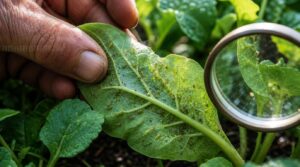
Set a weekly calendar reminder and stick to it. Pick the same day and time each week so you start noticing patterns.
Focus on new growth first — that’s where pests strike earliest.
Always flip leaves over for a leaf underside check, since most insects hide there.
Note any color changes, and magnify tiny pests with a hand lens to confirm what you’re seeing.
Inspect Stems and Buds
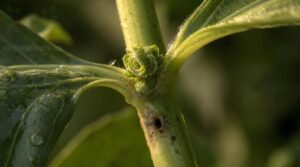
Stems are your garden’s early-warning system. Run your fingers along each stem, pausing at every node — that’s where leaves and buds attach. These junctions collect pests fast.
Check bud health closely. Distorted, sticky, or blackened buds often signal aphid feeding before you spot a single bug. Squeeze nothing; just observe.
Scan internodes for frass, holes, or discoloration — classic borer damage hiding in plain sight.
Look Under Foliage
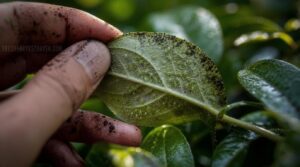
Most pests don’t hide in the open — they hide beneath it. Flip each leaf over and look carefully at the underside. Here’s what to check:
- Sticky honeydew residue signals aphid or whitefly activity
- Dark sooty mold patches grow where honeydew has settled
- Fine silky webbing points to spider mites
- Frass along leaf veins reveals feeding caterpillars nearby
Use a Hand Lens
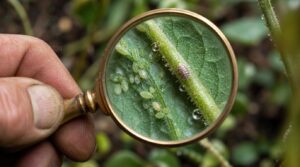
A hand lens turns guesswork into answers. Choose 10x–15x magnification for general scouting — it reveals tiny eggs, stippling, and scale coverings without straining your eyes. Clean the lens with a soft microfiber cloth before each session. Pair it with diffuse side lighting to highlight insect exoskeletons clearly, avoiding direct sun, which distorts color and creates misleading hotspots.
| Magnification | Best Use | Detail Level |
|---|---|---|
| 10x | General leaf scouting | Stippling, eggs, hairs |
| 15x | Stems and bud scales | Fine textures, scale insects |
| 20x | Egg masses, coverings | High detail, close range |
Track Damage Patterns

Damage doesn’t lie — it tells a story if you know how to read it. Over two weeks, note which plants show new holes, wilting, or discoloration using weekly damage surveys. Log what you find:
- Date and location of damage
- Affected plant part
- Damage type and size
- Pest signs nearby
- Change from last week
Identify Common Sap-Sucking Pests
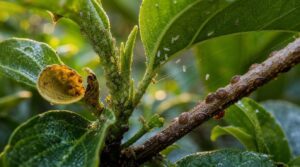
Sap-sucking pests are sneaky — they don’t chew holes or leave obvious trails, but they drain the life from your plants slowly and quietly. Learning to spot them early is the difference between a quick fix and a full-blown infestation. Here are the five most common ones you’ll likely encounter in your garden.
Aphids on Tender Growth
Aphids are tiny, pear-shaped insects — just 1 to 3 mm long — and they love tender new growth. Check your shoot tips and bud clusters first. That’s where colonies establish fast.
| Warning Sign | What It Means |
|---|---|
| Curled or cupped leaves | Aphids feeding on shoot tips |
| Sticky honeydew coating | Active colony nearby |
| Black sooty mold | Honeydew promoting fungal growth |
| Ant traffic on stems | Ants farming aphids for honeydew |
| Stunted new shoots | Heavy sap removal underway |
Natural predators like lady beetles keep populations in check — so scout weekly and act early before colonies explode.
Thrips on Flowers
Thrips are even sneakier than aphids. These slender insects measure just 1–2.5 mm — barely visible without magnification. They hide inside buds during bright sun and only emerge to feed in cooler hours, making them easy to miss.
Here’s what to watch for on your blooms:
- Silvery or pale streaks on petals from cell-piercing damage
- Deformed or failed buds that won’t open fully
- Tiny black specks — frass — scattered inside blossoms
- Premature flower drop on otherwise healthy plants
Use a hand lens and tap suspect blooms over white paper. Yellow sticky traps nearby help you track activity. At 27°C, western flower thrips complete their full cycle in just 10 days — so early action matters.
Whiteflies Under Leaves
Whiteflies are easy to overlook — until your plants start yellowing. Flip any leaf over and you may find tiny white adults, pale nymphs, and small eggs clustered along the veins.
Disturb the leaf and they flutter up briefly, then settle right back. That sticky honeydew residue they leave behind invites sooty mold, cutting photosynthesis and weakening your crop fast.
Spider Mites and Webbing
Spider mites are sneaky. They’re barely visible to the naked eye, but their silvery web networks give them away. Look for fine, loose webbing on leaf undersides — thinner and more irregular than a spider’s web.
- Check for yellow or bronze stippling on leaf surfaces
- Use magnification tools like a hand lens to spot mites or eggs
- Look for curled or shriveled leaves as feeding damage builds
Mite web detection gets easier once you know what to look for. Hot, dry weather accelerates their life cycle fast. For mite spray options, horticultural oil or insecticidal soap applied thoroughly to undersides works well. Humidity management — keeping plants well-watered — slows reproduction. In greenhouses, predatory mite use offers reliable biological control.
Scale Bugs on Stems
Scale bugs are easy to miss at first — they look like tiny, fixed bumps on your stems.
Armored scales feel hard under a fingernail; soft scales have flexible coverings and produce sticky honeydew residue that invites sooty mold and ants.
Scrape crawlers off by hand, apply insecticidal soap during their mobile crawler stage, and introduce parasitic wasps for lasting, integrated pest management.
Identify Chewing Garden Insects
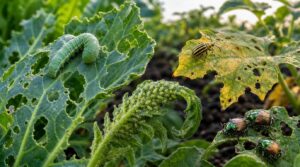
Chewing insects do their damage out in the open — you just need to know what you’re looking at. Each one has a favorite crop and a telltale pattern of destruction. Here are the five most common chewing pests you’ll likely find in your garden.
Tomato Hornworms on Nightshades
Few garden pests are as well-disguised as tomato hornworms. These green caterpillars grow up to 4 inches long and nearly vanish against tomato foliage. Here’s what makes them dangerous:
- They feed mostly at night, so damage appears overnight
- Eggs hatch in 4–7 days, quickly producing hungry larvae
- One hornworm can strip a plant in days
- They target tomatoes, peppers, and eggplants equally
Check for dark frass on leaves and large ragged holes as early warning signs. Handpicking at dusk works well for small infestations. For heavier pressure, apply Bacillus thuringiensis (Bt) — a natural bacteria that kills caterpillars without harming beneficial insects. This is integrated pest management at its most practical.
Cabbage Loopers on Greens
Cabbage loopers are sneaky. These pale green caterpillars grow to about 1.5 inches and blend right into your lettuce and kale. They move in a looping crawl — arch, grip, extend — which makes them easy to recognize once you spot one.
| Warning Sign | What It Means |
|---|---|
| Small irregular holes | Early larval feeding on outer leaves |
| Green frass pellets | Active caterpillar nearby |
| Pale green egg clusters | New infestation starting |
| Curled leaf undersides | Larvae sheltering during the day |
| Defoliated inner growth | Heavy, established pressure |
Check leaf undersides weekly. Bacillus thuringiensis (Bt) spray kills them fast without touching beneficial insects — that’s integrated pest management IPM working exactly as it should. For prevention, deploy row covers before moths arrive. Natural predator introduction, like parasitic wasps, helps keep populations in check long-term.
Flea Beetles on Seedlings
Flea beetles are tiny wreckers — just 1.5 to 3.5 mm long — but they punch well above their weight on young seedlings. Look for shot holes: small, round punctures that make leaves look like they’ve been peppered with a hole punch. Heavy feeding leaves foliage ragged and slows growth fast.
Row covers are your first line of defense. Deploy them at transplant time, before adults arrive. Where pressure is high, apply spinosad or insecticidal soap directly. Rotate crops yearly and keep seedling beds weed-free — weeds are prime beetle habitat hiding in plain sight.
Corn Earworms in Silks
Corn earworms are sneaky — they don’t announce themselves until the damage is done. The female moth lays up to 3,000 eggs directly on corn silks.
Eggs hatch in just 2–4 days, and larvae feed on silks first, fraying them and blocking pollination before tunneling into the ear tip.
Use pheromone traps to catch adult flights early, then time Bt spray applications precisely to silking days when young larvae are still exposed and vulnerable.
Japanese Beetles on Leaves
Few garden pests are as bold as the Japanese beetle. These metallic green-and-copper insects feed in broad daylight, peaking mid-morning through early evening.
They skeletonize leaves — eating tissue between veins and leaving a lacy, see-through pattern. Damage starts at the top of the plant and moves downward.
Handpick them into soapy water each morning, or apply neem oil to deter feeding.
Identify Hidden Vine and Soil Pests
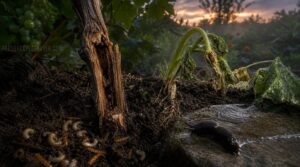
Some garden pests don’t show up on leaves — they hide inside vines, burrow into soil, or creep in after dark. That’s what makes them tricky; the damage shows up long before you spot the pest itself. Here’s what to look for with five of the sneakiest offenders.
Squash Vine Borer Holes
Look closely at the base of your squash stems — entry hole identification starts there. The squash vine borer leaves a telltale small hole near the soil line, often oozing gummy frass. That sawdust-like material confirms a larva is tunneling inside.
Use floating row covers early to block egg-laying moths before damage begins.
Squash Bugs and Wilting
While the squash vine borer tunnels from inside, squash bugs (Anasa tristis) attack from outside — piercing leaves and draining sap until plants collapse.
- Wilting plant diagnosis: lower leaves wilt first, then spread upward
- Egg cluster monitoring: tan oval eggs in tight rows under leaves
- Nymph feeding damage: pale nymphs cause yellow specks that darken fast
Hand-pick adults and destroy egg clusters immediately.
Cutworms at Soil Level
Unlike squash bugs that feed above ground, cutworms strike at the stem — slicing seedlings clean through at soil level while you sleep.
Check bare soil near toppled plants each morning. You’ll often find a curled gray or brown larva just beneath the surface. Use handpicking, diatomaceous earth barriers, beneficial nematodes, Bacillus thuringiensis, or neem oil to stop them.
Root-Feeding Larvae
While cutworms sever stems at the surface, root-feeding larvae work entirely out of sight — gnawing through feeder roots several inches underground. Wireworms, root maggots, and root weevil grubs are common culprits.
Your plants may wilt despite regular watering, a classic sign of hidden root damage. Dig near the base and inspect the soil. Apply beneficial nematodes to target larvae directly.
Slugs and Snails
Slugs and snails hide in plain sight — or rather, they hide until dark. Nighttime activity patterns mean you’ll rarely catch them feeding, but you’ll see the damage: irregular holes and ragged leaf edges on tender growth.
- Remove leaf litter and debris for garden sanitation
- Press a copper barrier for slugs around raised beds
- Hand-collect at dusk or dawn
- Apply organic bait formulations near shelter spots
- Encourage birds — natural predators that keep numbers down
Remove Pests Without Sprays

You don’t always need a bottle of spray to win the battle against garden pests. Some of the most effective methods are surprisingly hands-on, and they work fast. Here’s what you can do right now to clear them out.
Handpick Large Insects
Your bare hands are often the most reliable pest control tool you own. For large insects like tomato hornworms, cabbage loopers, and beetles, handpicking works fast. Grip each pest firmly behind the head, drop it into soapy water, and move on. Wear gloves for spiny species. Patrol early morning, when pests are slowest and easiest to spot.
| Pest | Where to Find It | Best Removal Tool |
|---|---|---|
| Tomato Hornworm | Nightshade stems | Gloved hands |
| Squash Bug | Vine bases | Fine-point tweezers |
| Japanese Beetle | Leaf edges | Container with lid |
Spray Aphids With Water
A cold water spray is one of the simplest aphid fixes you have. Aim a firm jet of water at leaf undersides where aphids cluster. Blast them off early morning so foliage dries fast.
- Spray every 48–72 hours during active infestations
- Target new growth first — aphids favor tender shoots
- Use jet pressure strong enough to dislodge colonies
- Morning application reduces fungal risk as leaves dry by noon
- Pair with insecticidal soap for stubborn dense colonies
Prune Infested Plant Parts
Sometimes the smartest move is simply cutting the problem away.
Prune diseased stems as soon as you spot damage — don’t wait. Cut back infested growth to healthy tissue just below the affected area. Always sterilize pruning tools between cuts using rubbing alcohol.
Seal clippings in a bag and trash them. Recheck the plant within 7–14 days.
Drop Pests in Soapy Water
A bucket of soapy water mix is your best companion during handpicking sessions. Fill it with a few drops of mild dish soap and water, then drop beetles, caterpillars, and earwigs straight in. They can’t escape.
Apply every 2–3 days during heavy pest pressure, and always work in the cool morning hours to keep plants stress‑free.
Clean Garden Debris
Dead leaves and old plant stems are basically a welcome mat for pests. Clear them out and you cut off their shelter overnight.
- Late autumn cleanup removes overwintering insects before spring.
- Compost small, healthy debris under 2 inches to recycle nutrients.
- Bag diseased material and seal it — never compost it.
Mulching catches falling leaves before they pile up and create problems.
Use Organic Pest Controls

Organic controls let you fight back without harsh chemicals that harm your soil or beneficial insects. Each option targets specific pests in a different way, so knowing which tool to reach for makes all the difference. Here’s what works best and how to use it.
Neem Oil for Soft Pests
Neem oil works by disrupting how soft pests feed, grow, and reproduce. Its active compound, azadirachtin, interferes with molting so pests like aphids, thrips, spider mites, and mealybugs can’t complete their life cycle.
| Factor | Details | Tips |
|---|---|---|
| Neem Oil Dilution | 1–2 tbsp per gallon | Follow label closely |
| Application Timing | Early morning or evening | Protects pollinators |
| Coverage Benefits | Coat upper and lower leaves | Targets hiding pests |
| Safety Guidelines | Avoid heat and sun scorch | Test on small area first |
| Pest Spectrum | Aphids, thrips, mites, mealybugs | Less effective on beetles |
Reapply every 7–14 days. Results build gradually — this isn’t a quick knockdown, but consistent use shrinks pest populations noticeably.
Insecticidal Soap Applications
While neem oil works slowly, insecticidal soap hits soft-bodied pests fast. It’s a contact killer — soap molecules dissolve the waxy coating on aphids, mealybugs, and spider mites, causing rapid dehydration.
Mix 1–2 tablespoons per quart of water, spray undersides thoroughly, and reapply every 4–7 days.
Always test one leaf first to avoid phytotoxicity.
Bt for Caterpillars
Insecticidal soap stops soft-bodied pests on contact. For caterpillars, though, you need a different tool — Bacillus thuringiensis, or Bt.
This naturally occurring soil bacterium kills caterpillars like tomato hornworms and cabbage loopers after they eat treated leaves, without harming beneficial insects. Spray during early instar stages for best results, and rotate with other controls to prevent resistance.
Spinosad for Beetles
Bt controls caterpillars well, but flea beetles and Colorado potato beetles call for something different. That’s where spinosad comes in.
Derived from a soil bacterium, spinosad is OMRI-approved for organic use and hits beetle nervous systems fast — most die within one to three days. Apply as a foliar spray at first adult or larval sighting, and avoid spraying during bloom to protect beneficial insects.
Diatomaceous Earth Barriers
Unlike sprays, diatomaceous earth (DE) works mechanically — its sharp silica edges cut insect cuticles, causing crawling pests to dry out fast.
Sprinkle a light, dry barrier around plant stems and soil entry points.
Reapply after rain, since moisture kills its effectiveness. Wear a mask during application to protect your lungs.
Protect Crops With Prevention

Prevention is your best defense against pests before they ever reach your plants. A few simple habits and physical barriers can stop most infestations before they start. Here’s what works.
Floating Row Covers
Think of floating row covers as a bodyguard for your crops. This lightweight fabric blocks aphids, moths, caterpillars, and beetles before they ever reach your plants.
It transmits up to 95% of sunlight and lets rain pass through freely.
Secure the edges with soil or pins, and remove covers once flowering begins, so pollinators can do their job.
Copper Tape for Slugs
Copper tape works like a mild electric fence for slugs. When a slug’s slime touches the metal, it gets a small shock and turns back.
Here’s how to install it right:
- Choose 4–6 cm wide tape for a stronger barrier
- Wrap a continuous ring around the pot or raised bed with no gaps
- Overlap the ends and press the seam flat
- Clean the tape monthly to remove dirt and debris that weaken conductivity
Moist conditions actually boost performance — slug slime conducts electricity more readily when wet.
Crop Rotation Plans
Moving your crops to different spots each year is one of the smartest pest‑prevention moves you can make. Rotation cycle design usually runs 3 to 6 years, giving pests no chance to settle in.
Place legumes early in the sequence — they fix nitrogen and feed the crops that follow.
Alternate deep‑rooted and shallow‑rooted plants to keep soil structure open and healthy.
Healthy Soil Practices
Healthy soil is your first line of defense against pests. When soil is balanced and alive, plants grow stronger and resist damage naturally.
- Add 1–3 inches of compost annually to build organic matter and feed beneficial soil life
- Mulch to retain moisture and stabilize soil temperature, reducing plant stress by up to 50%
- Test pH every 1–3 years — most vegetables thrive between 6.0 and 7.0
- Plant cover crops to protect bare soil, boost earthworm activity, and suppress pest pressure
Trap Crops and Companions
Think of trap crops as decoys — plants that lure pests away from your main garden. A mustard trap crop draws cabbage pests in, while a radish decoy plant diverts squash beetles.
Place these at field edges for maximum interception.
Add companion plants like marigolds and basil nearby to repel pests and attract beneficial insects that do the biological control work for you.
Build Long-Term Pest Balance

Killing pests one by one only gets you so far. Real garden health comes from building a system where nature does most of the heavy lifting for you. Here’s how to set that up for the long run.
True garden health isn’t built on killing pests one by one — it’s built on a system where nature does the work for you
Attract Beneficial Insects
Beneficial insects are your garden’s free pest control team — if you give them a reason to stay. Plant native wildflowers alongside umbellifers like dill and fennel to draw in ladybugs, lacewings, and parasitic wasps. Add flower strips along bed edges and at least five to seven flowering species to keep foraging corridors open all season.
- Install bee hotels with 5–8 mm tubes for solitary bees
- Add ground cover like low grasses to shelter predatory beetles
- Set out shallow water sources with pebbles for safe insect drinking
Encourage Birds and Spiders
Birds and spiders quietly handle what sprays can’t always reach.
Plant native shrubs like elderberry or viburnum to give birds year-round cover and perching sites. Place a bird bath in an open spot — away from dense shrubs — so birds can spot predators while they drink. Vary plant heights to support insect prey diversity and draw in more species.
Water Plants Wisely
Water does more than quench thirst — it shapes how vulnerable your plants are to pests. Water in the early morning, so leaves dry quickly before nightfall.
Wet foliage invites fungal problems that weaken plants and attract insects. Use drip irrigation to keep moisture at the roots, not on the leaves where pests thrive.
Avoid Broad-Spectrum Sprays
Not every pest problem needs a spray — and when it does, reach for a selective, targeted product rather than a broad-spectrum spray that kills indiscriminately. Broad-spectrum chemicals wipe out lady beetles and lacewings alongside the pests you’re targeting.
Rotate modes of action between treatments to slow resistance.
Use sprays only when scouting confirms a real threshold.
Record Seasonal Pest Trends
Think of your pest diary as a garden detective’s casebook. Each week, log monthly count tracking data — pest type, host plant, and damage observed. A simple notebook works fine. Track these three essentials:
- Weather impact analysis: note temperature and humidity alongside sightings
- Damage patterns and affected plant zones
- Any treatment applied and its result
Pattern recognition across seasons tells you exactly when to act next year.
Frequently Asked Questions (FAQs)
What attracts specific pests to my garden?
Pests don’t wander in randomly — lush, nitrogen-rich growth and moist soil act like an open invitation. Bright flowers, ripe fruit, and weedy ground cover give them food, shelter, and a reason to stay.
How do weather conditions affect pest activity?
Weather shapes pest pressure more than most gardeners expect. Warm spells speed up aphid generations by up to 30 percent. High humidity keeps caterpillars active through the night.
When is peak season for garden pests?
Most gardens hit peak pest pressure between late spring and midsummer. Warm temperatures from 68–86°F speed up insect reproduction fast. Aphids surge first, then caterpillars and beetles follow through July.
Can pests develop resistance to organic treatments?
Yes, they can. Even organic pesticides like neem oil, bacillus thuringiensis, and spinosad lose effectiveness over time if overused. Rotate treatments with different modes of action to stay ahead.
How do I handle pest infestations on edible crops?
Start with sticky honeydew, chewed leaves, or wilting vines — these are your first alerts. Remove pests by hand, apply neem oil or Bt, rotate crops, and invite beneficial insects to maintain balance.
Which garden pests are active only at night?
Several pests strike only after dark. Slugs, snails, and earwigs emerge at dusk, leaving slime trails and ragged holes. Cutworms sever seedlings at soil level. Armyworms strip foliage in patches overnight.
Can companion planting deter specific insect infestations?
The strangest truth in pest management: planting more sometimes means fewer pests. Companion planting works. Basil near tomatoes confuses aphids. Marigolds suppress nematodes. Nasturtiums lure caterpillars away. Dill draws beneficial insects in.
How does weather affect seasonal pest population surges?
Weather runs the clock on pest cycles. Warmer temperatures speed up insect metabolism, compressing generations. High humidity fuels aphid colonies. Mild winters cut diapause short, raising spring populations fast.
Are some plant varieties naturally resistant to pests?
Perfectly protected plants pick their own battles. Yes — some varieties carry natural resistance traits, using built-in toxins, thick cuticles, or volatile compounds to repel pests and signal beneficial insects before damage spreads.
When should a professional exterminator be consulted?
Call a professional when pests spread across multiple rooms, cause structural damage, or return despite your efforts. At that point, professional assessment and targeted treatment go far beyond what DIY pest management can handle.
Conclusion
Catch pests early, act with purpose, and your garden stays yours. Every ragged leaf tells a story—growers who read those signs quickly are the ones who harvest well.
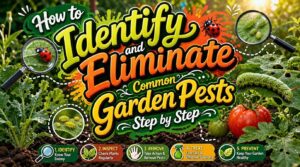
When you identify and eliminate common garden pests using the methods in this guide, you’re not just reacting to damage. You’re building a system that works season after season.
The garden doesn’t need perfect condition.
- https://gardenbasics.substack.com/p/the-top-10-home-and-garden-pests
- https://www.ecolandscaping.org/11/developing-healthy-landscapes/ecological-landscaping-101/garden-insect-primer-getting-to-know-common-garden-insect-pest-groups-and-their-associated-signs-of-plant-damage
- https://journeywithjill.net/gardening/2024/06/12/how-to-identify-whats-eating-your-plants
- https://www.lawnstarter.com/blog/gardening/organic-pest-control-that-works
- https://stonepierpress.org/gardeningnews/managing-pests-and-disease-organically